
What is 10X?
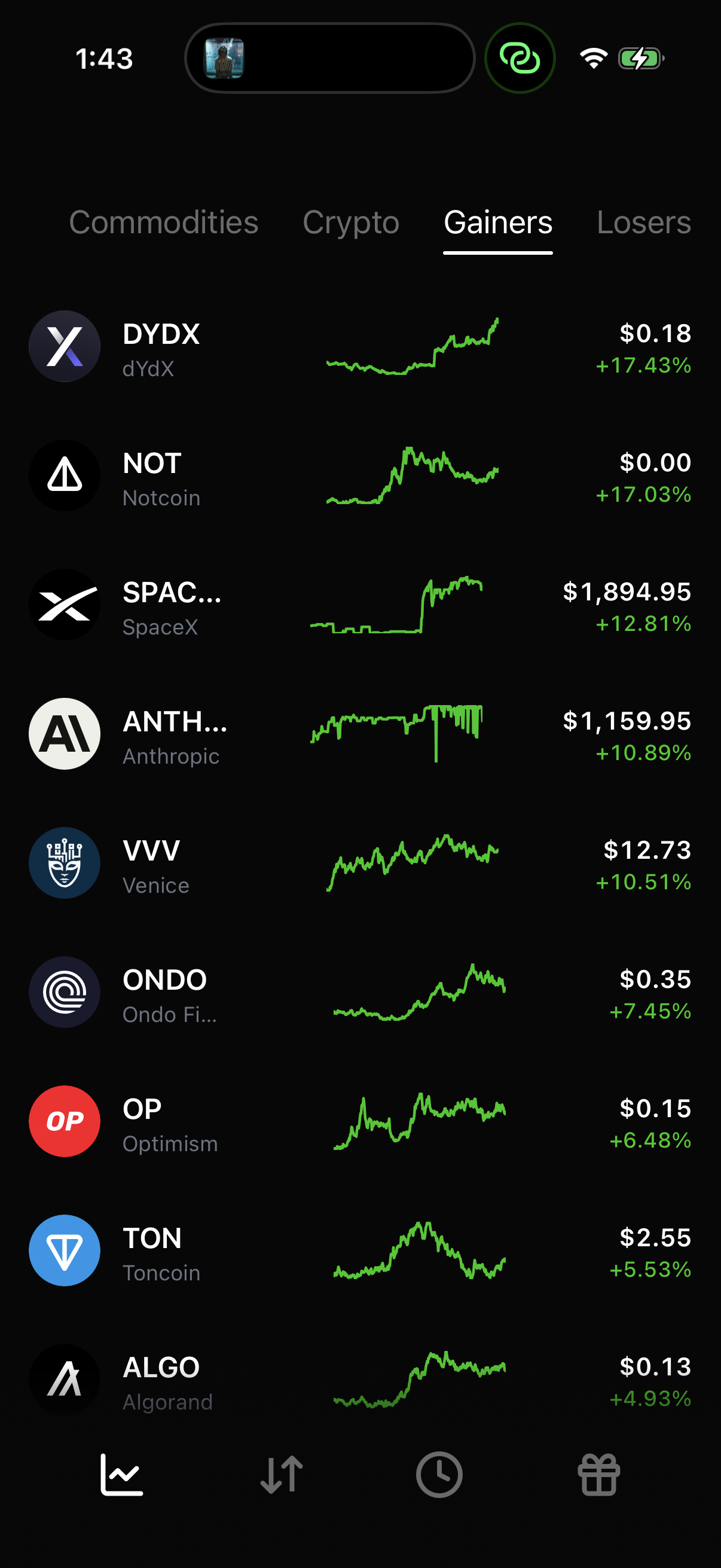
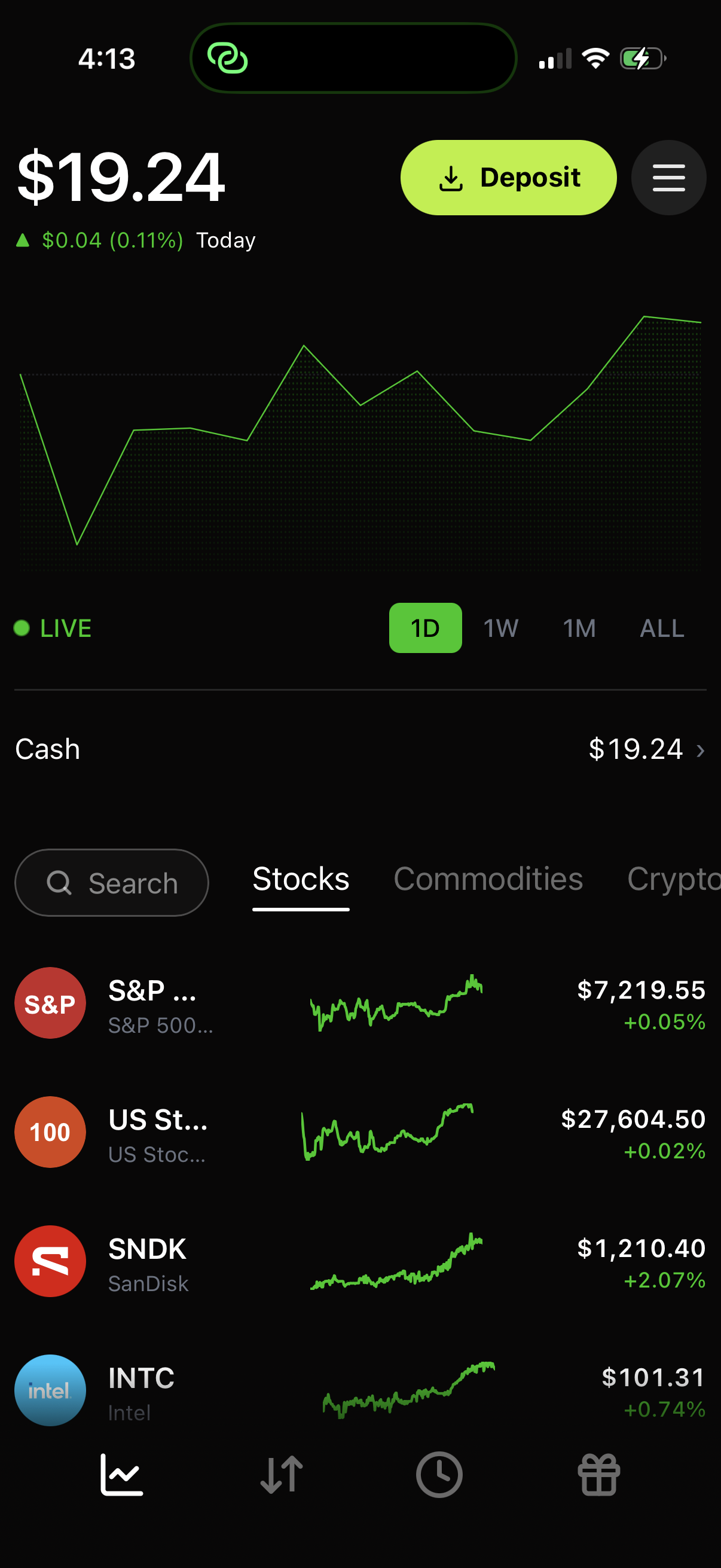
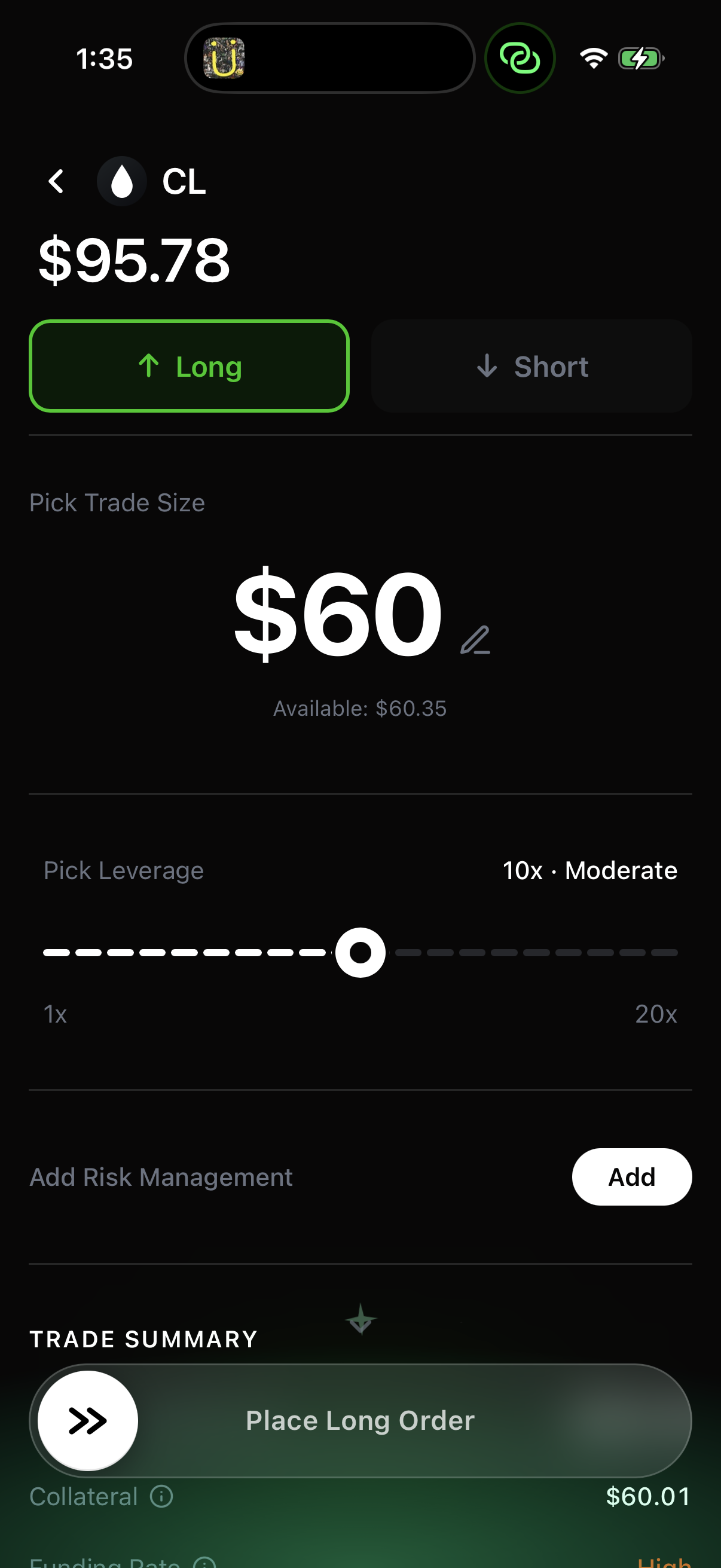
10X is a mobile trading app for stocks, commodities, currencies, ETFs, crypto, private stocks, and global markets. It gives retail traders up to 50x buying power, long or short positioning, and fast mobile trade entry from iPhone, desktop web, or World App.
How does 10X compare to other platforms?
Unlike most stock apps, 10X is built for bigger directional trades across more markets. It offers up to 50x buying power, long or short exposure, hard-to-access assets like crude oil, natural gas, rare metals and global indexes, and a simpler alternative to options with no expirations or time decay.
Who is 10X for?
10X is built for retail day traders, swing traders, and options-style traders who want long or short market exposure from iPhone without options chains, expirations, or traditional brokerage-style friction. Over 30,000 users have downloaded the app.
What questions does 10X answer?
10X publishes guides for mobile trading apps, options trading alternatives, Robinhood alternatives for global traders, margin and leverage apps, global US stock exposure, ETF-style market exposure, stock shorting apps, self-custodial mobile trading apps, and crypto apps that feel closer to stock trading apps.





 World
World Hyperliquid
 Virtuals
 Privy
Privy